
Throughout South Asia, traditional tonics remain highly effective, especially for issues like fatigue, lack of appetite, and weakness associated with low iron levels. Sharbat e Faulad is one such classic Unani medicine preparation, present in many families’ wellness routines as a “blood-strengthening” syrup. In recent years, interest in natural iron options has grown even more, and Sharbat e Faulad is frequently mentioned in conversations on the subject.
What is Sharbat e Faulad?
Sharbat e Faulad is traditionally described as an iron-based herbal syrup (often called an iron tonic) used in Unani and herbal medicine practices. In many formulations, “Faulad” refers to the iron component (usually prepared in a traditional manner), along with the addition of herbs that may aid digestion and overall vitality.
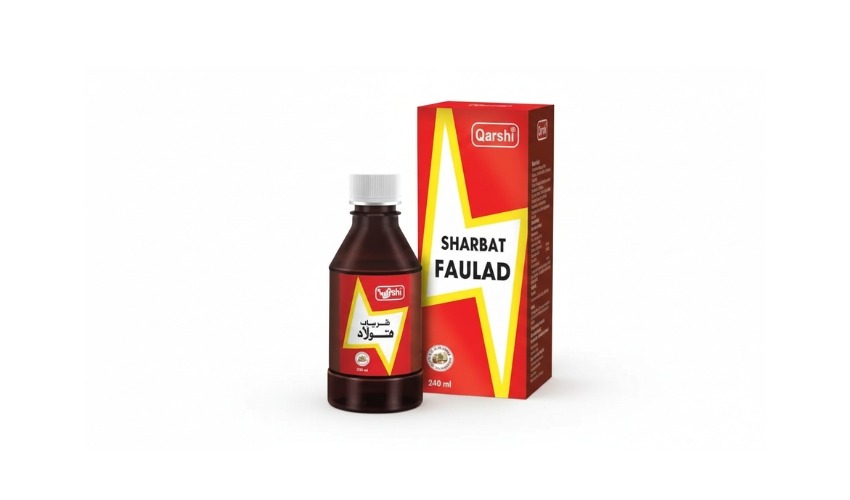
It is also marketed by various companies under names such as Sharbat e Faulad Irfani, Qarshi Sharbat Faulad, and Hamdard Sharbat Faulad.
The key idea behind its composition
While labels vary by brand, sharbat e faulad ingredients typically include:
- An iron source (the “faulad” component)
- Herbal extracts intended to support digestion, appetite, and general strength
- A syrup base (some products may also be marketed as sharbat e faulad sugar-free)
Health Benefits of Sharbat e Faulad
The benefits below reflect common traditional use and general nutrition logic around iron and hemoglobin. This content is informational and not a substitute for medical care.
Improves liver functioning
In Unani practice, the liver is often considered fundamental to digestion, metabolism, and overall health. Many users take Sharbat e Faulad as a supportive tonic when they feel lethargic, have a poor appetite, or feel heavy after meals.
How it can help (both in the traditional sense and in practice):
- Supports digestive comfort, which can indirectly contribute to nutrient absorption
- Often used in conjunction with lifestyle changes that reduce fatigue and weakness
- Many associate it with supporting liver health due to its role in herbal medicine practice
It is important to emphasize that serious liver diseases require diagnosis and monitoring no syrup should replace professional evaluation.
Treats anemia and increases red blood cells
One of the main reasons people seek the benefits of sharbat e faulad is to help treat anemia. Iron deficiency anemia occurs when the body doesn’t have enough iron to produce hemoglobin, the protein inside red blood cells that carries oxygen. Low hemoglobin can lead to fatigue, dizziness, weakness, and shortness of breath.
Common expectations with the use of an iron tonic:
- Improved energy and reduced fatigue over time (if iron deficiency is the actual cause)
- Gradual improvement in hemoglobin when taken consistently and correctly
- Support in appetite and digestion in people who have difficulty with excessive use of tablets
The time to results varies. Many people notice changes within a few weeks, but improvement in hemoglobin confirmed by laboratory tests usually requires consistent use with dietary support.
Related searches often include anemia treatment, iron deficiency, hemoglobin, iron syrup, and herbal iron supplementation, all indicating the same primary concern: safely restoring iron levels.

Women’s health tonic
Another widely discussed area is women’s well-being, especially those with heavy menstrual flow, postpartum weakness, or increased iron needs.
Common traditional uses include:
- Menstrual support: often described as a tonic to strengthen the blood during or after heavy cycles
- Postpartum recovery: Some families use it as a gentle restorative tonic
- Maternal support: People often ask about sharbat e faulad during pregnancy, so extra caution and medical advice are essential
For pregnant women and breastfeeding mothers, the safest approach is to seek professional advice, as iron needs vary by trimester and excess iron can be harmful in certain conditions.
Supports children’s growth
Iron is essential for the physical growth and brain development of children. When a child is iron-deficient, symptoms may include lack of appetite, poor concentration, fatigue, or slow growth.
Traditional placement of children generally includes:
- Promoting adequate iron intake and cognitive and physical development
- Promoting overall vitality when malnutrition is a factor
In addition, iron products should never be given to children lightly. Dosage is important, and accidental overuse can be dangerous. Pediatric supervision is recommended.
General usage guidance
Typical routines often include:
- Taking it after meals to reduce stomach discomfort
- Using a measured spoon (teaspoon/tablespoon) to avoid overdosing
- Continuing for a defined course rather than “on and off.”
Commonly suggested categories
- Adults: often taken once or twice daily, depending on the brand
- Pregnancy & lactation: only with medical approval (iron needs differ, and some people require specific iron salts)
- Children: dose depends on age and weight, professional guidance is best
Best time to take
Many people find it easier to tolerate after meals. If taken with tea or coffee, iron absorption may drop, so spacing it out can help.
Duration
A common approach is to use it consistently for a few weeks. Anyone treating confirmed anemia should monitor hemoglobin and iron markers with a clinician.
Who Should Take Sharbat e Faulad?
Sharbat e Faulad is commonly considered by:
- People with suspected iron deficiency symptoms (fatigue, weakness, low appetite)
- Individuals diagnosed with iron deficiency anemia (under supervision)
- Women with heavy menstrual loss (after evaluation)
- Those who prefer a traditional iron tonic format over tablets
Preventive vs therapeutic use:
- Preventive: better framed as improving an iron-rich diet and checking labs when needed
- Therapeutic: should be guided by diagnosis, dosing, and follow-up testing
Precautions and Side Effects
Possible side effects (especially if iron is high)
- Stomach upset, nausea, or heaviness
- Constipation (less common in some syrups, but still possible)
- Dark stools (a common iron effect)
- Metallic taste in some users
Adverse reactions and when to stop
Seek medical care if there are signs like:
- Severe abdominal pain
- Vomiting repeatedly
- Rash, swelling, or breathing trouble (possible allergy)
- Symptoms of overdose (especially in children)
Drug interactions with Laboob e Khas Jawahar Wala
- If someone is taking Laboob e khas jawahar wala or any multi-ingredient Unani product, combining it with iron tonics may increase the chance of stomach upset or unintended cumulative intake of minerals/ingredients.
- The safest plan is to separate timing, avoid “stacking” multiple strong tonics without guidance, and consult a qualified clinician or Hakim.
Who should be extra careful
- People with known iron overload conditions (or unexplained high ferritin)
- Anyone with chronic liver disease without medical supervision
- Those taking prescription iron, anticoagulants, or complex regimens
Many people compare it to a herbal iron supplement or a natural iron supplement option. However, medically significant anemia often needs a clearly dosed regimen and follow-up labs.
Where to Buy and What to Look For
Buy from reputable pharmacies, verified online stores, or official brand outlets to reduce the risk of counterfeit products.
What to check:
- Sealed packaging, batch number, and expiry date
- Clear label directions and ingredient list
- Brand reputation and authenticity
Price range in Pakistan
Many readers search for sharbat e faulad price in Pakistan. Prices vary widely by brand, bottle size, and whether it is a standard or sharbat e faulad sugar free version. The most accurate approach is to compare 2–3 reputable sellers and confirm the exact variant.
There are different brands available
- Hamdard ka sharbat faulad
- marhaba sharbat faulad
- Kent Sharbat e faulad
- Sharbat Faulad Ajmal
- qarshi sharbat e faulad / sharbat e faulad qarshi
Yes, men may take Sharbat e Faulad if there is a clear need, such as confirmed iron deficiency, because iron needs differ by person, not only by gender.
For diagnosed iron deficiency, many people start feeling improved energy within a few weeks, but hemoglobin rebuilding can take longer.
It depends. Iron products can interact with certain antibiotics and thyroid medication, and absorption can be affected by antacids or calcium.
In pregnancy, iron needs can increase, but dosing must be individualized. Pregnant people should not self-prescribe iron tonics; they should follow prenatal guidance and lab results.
A “regular” iron syrup is usually a pharmaceutical iron salt with standardized dosing. Sharbat e Faulad is typically positioned as Unani medicine and may include additional herbs.
Constipation is possible with many iron products. Some people report fewer issues with syrups, while others still experience heaviness, nausea, or constipation, especially with higher doses or a low-fiber diet.
Disclaimer
This article is written for educational purposes only. The information provided here is not intended as medical advice and should not be used to diagnose, treat, or prevent any health condition. Always consult a qualified healthcare professional or doctor before starting any new medicine, herbal remedy, or treatment plan.