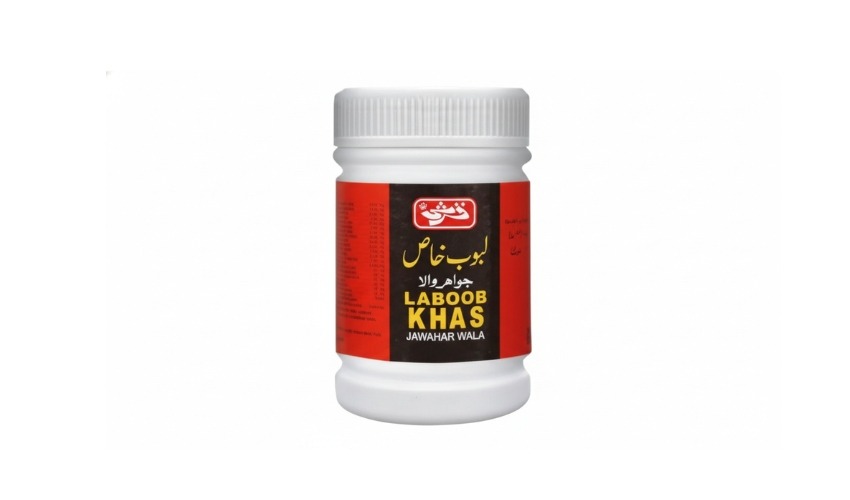


Toot Siah is the Urdu name for blackberry, a dark, juicy fruit that has long been valued in Unani and used in traditional herbal practice to soothe the throat. From simple homemade decoctions to branded Tootsiah syrup, it is widely used in South Asia and the Middle East as a gentle support for sore throats, hoarseness, coughs, and seasonal colds. Families often keep a jar of Toot siah syrup or Toot siah sherbat at home so that the first sign of a sore throat can be treated with pleasant, fruity remedies rather than immediately resorting to stronger medications.
Toot Siah’s botanical background
Botanically, the tut siyah fruit comes from Morus nigra, popularly known in English as blackberry. In Urdu and Persian, Toot siah in English simply refers to this dark-colored Mulberry, which is distinguished from lighter varieties by its dark purple or almost black juice.
Traditional systems such as Unani medicine and Ayurveda primarily describe the benefits of Toot siah in the context of cooling, soothing, and hydrating hot and irritated tissues. Fruit, bark, and leaves have been historically exploited, but the most popular forms for throat care include:
- Fresh or dried blackberries
- Concentrated Toot siah syrup or sharbat e Toot siah
- Ready-made Toot Siah syrup and Toot Siah cough syrup
- Compound preparations such as Toot siah malathi, tut chiah mulethi, and Toot siah plus mulethi, in which mulberry is blended with licorice and other herbs
Due to its pleasant and distinctive flavour, many families use it not only as a remedy but also as a refreshing drink, especially when mixed with cold water or ice.
Nutritional and Medicinal Composition
The dark colour of Toot Siah comes from anthocyanins, which are natural pigments that also act as antioxidants. These compounds help neutralise free radicals and promote overall cellular health. In addition to anthocyanins, blackberries naturally contain:
- Vitamin C and small amounts of other vitamins
- Minerals such as potassium, iron, and calcium
- Mild fruit acids and natural sugars
- Polyphenols and flavonoids with potential anti-inflammatory and antibacterial activity
Many herbalists consider the combination of antioxidants and soothing plant compounds to be the reason Toot siah syrup benefits so many mild throat and mouth complaints. When the syrup coats the back of the throat, it can cool irritated tissue, while its antioxidants promote local healing.
The exact ingredients of Toot Siah syrup in each product vary by manufacturer. Some formulas mainly focus on blackberry fruit extracts, while others combine it with licorice (mulethi) banafsa or other herbs that are good for the throat.
Uses and Health Benefits of Toot Siah
Throat-related benefits
The main purpose of using Toot Siah syrup is throat comfort. Traditional doctors and modern herbalists recommend Toot siah syrup for coughs and sore throats in the following situations:
- Pharyngitis (throat inflammation): Warm Toot siah syrup or Toot siah medicinal syrup can be taken slowly, allowing it to remain in contact with the inflamed mucus for longer, creating a refreshing and lubricating effect.
- Sore and burning throat: The sweet and slightly sharp liquid is gentle on irritated tissue and can reduce the itching sensation.
- Hoarseness and vocal strain: Many professional singers and speakers keep blackberry syrup or Toot siah syrup with blackberry on hand; a combination of blackberry and licorice can be helpful when the voice is strained.
- Relief in mild cases of tonsillitis or laryngitis: Although it does not replace medical care, the use of Toot siah cough syrup, along with rest and warm liquids, is usually more comfortable to swallow.
- Mouth ulcers and minor irritation: Cold mulberry-based drinks, including the use of Sharbat e Toot siah, can relieve minor mouth ulcers and sensations of heat and dryness in the mouth.
Additional benefits
Beyond the throat, herbal traditions also mention:
- Light respiratory support during colds and seasonal flu
- Gentle immune support from the antioxidant content
- A more pleasant alternative to highly medicated syrups, especially in children old enough to take toot siah syrup dosage safely
- Mild digestive comfort when taken in moderation
Because formulations such as Lasani Toot Siah, Qarshi Toot Siah, Toot Siah Hamdard, Marhaba Toot Siah, Medics Toot Siah, and Sharbat Toot Siah Hamdard vary, some may emphasise cough relief, others general throat health, and some simply serve as a refreshing sharbat.

How Toot Siah Supports Throat Health
When a person takes a sip of toot siah syrup, several actions occur simultaneously:
- Cool, sweet liquid coats the throat, reducing dryness and pain.
- Plant compounds with mild anti-inflammatory properties help reduce the sensation of swelling and irritation.
- Traditional blends containing licorice, such as toot siah mulethi or toot siah mulethi plus, add emollient (mucilage-forming) properties, thus increasing the lubrication of mucous membranes.
- Although the mild antibacterial properties of mulberry and related herbs may inhibit some harmful throat bacteria, antibiotics are still necessary for serious infections.
With a few days of consistent use, people generally notice a decrease in swallowing discomfort, less frequent coughing, and a gradual improvement in voice quality. For more intensive support, some families combine steam inhalation and relaxation with warm toot siah malathi syrup.
Forms and Preparations
Although many associate mulberry mainly with fruit, throat-focused products come in several forms:
- Toot Siah syrup, ready-to-use liquid, is usually the first choice for a sore throat
- Sharbat toot siah, a concentrated drink that can be diluted with water.
- Combination formulas such as toot siah malathi and lasani ka sharbat toot siah plus malathi
- Tablets and lozenges, sometimes marketed as toot siah tablet, for convenient use outside the home
Dosage and Administration
Exact dosing instructions depend on the product, so the label of Toot Siah Syrup, Hamdard, Qarshi Toot Siah, Marhaba Toot Siah, or any other brand must always be checked.
General adult guidance
For many standard products:
- Adults may take a spoonful of toot siah syrup two or three times daily, often mixed with a little warm water.
- Some use it as a drink by diluting sharbat toot siah in a glass of lukewarm water and sipping slowly.
Children and infants
When a child needs help relieving throat pain, it is essential to be careful:
- Materials intended for children may mention the suitability of the product. Such as Toot Siah syrup for babies or instructions for school-aged children.
- Questions such as the safety of Toot Siah for children should be answered by a paediatrician, especially when considering any cough syrup, including Toot Siah medicinal syrup, for children under two years of age.
Although the packaging may seem suitable for children, parental supervision is crucial to prevent accidental overdose or unsupervised ingestion.
How to use in daily routine
- Many families prefer giving toot siah syrup for cough after meals to avoid any mild stomach upset.
- When throat pain is more intense at night, a spoonful of toot siah cough syrup before sleep can keep the throat moist.
- If symptoms persist beyond several days or if fever and difficulty breathing appear, natural remedies should be paused and a medical evaluation arranged.
Side Effects and Safety Profile
Most healthy adults tolerate toot siah syrup well when used in moderate amounts. Still, any herbal remedy can have side effects.
Common side effects
Reported Toot Siah side effects are usually mild and may include:
- Slight digestive upset or loose stools if large quantities are taken
- Discomfort in individuals sensitive to fruit acids or specific herbs in the blend
- Rare allergic responses such as itching, rash, or swelling
In some formulations, sharbat toot siah side effects can be linked more to high sugar content than to the mulberry itself. Those with sensitive stomachs may prefer a lighter dilution or a Toot siah sugar-free option if available.
When to seek medical help
Medical attention is necessary if:
- Throat pain becomes severe or worsens rapidly
- Breathing or swallowing becomes difficult
- High fever, thick pus on the tonsils or neck swelling appears
- An allergic reaction is suspected
Natural syrups cannot replace antibiotics in conditions like bacterial tonsillitis or diphtheria; they can only play a comforting, complementary role.
Precautions and Contraindications
Pregnancy and breastfeeding
Questions such as toot siah in pregnancy, toot siah syrup in pregnancy, toot siah syrup use in pregnancy and toot siah safe in pregnancy, come up frequently.
Mulberry fruit itself is generally seen as a mild food in small amounts. But branded syrups often contain multiple herbs plus a high sugar load. Because of the limited formal research on many traditional combinations, the safest approach during pregnancy is:
- Treat Toot Siah syrup as a short-term, occasional soothing drink only after the obstetrician agrees.
- Avoid large, frequent doses or self-medication for prolonged periods.
Breastfeeding mothers should also check with health professionals before taking strong herbal blends regularly.
Children and infants
For very young children, especially infants, the question is toot siah safe for infants becomes important. Due to immature kidneys and livers, as well as higher sensitivity to sugar and certain herbs, paediatric guidance is essential before giving toot siah syrup or any other non-prescribed cough formula.
Diabetic and weight-conscious individuals
Because many preparations are sweet, diabetic patients must be cautious. While products labelled Toot Siah sugar-free exist, ingredients should still be checked, particularly for artificial sweeteners or other additives. Online listings that mention the price of toot siah sugar-free usually also provide nutrition details that should be reviewed carefully.
Drug interactions and serious illness
Compared with prescription medicines, interactions are less documented. But it is still wise to take Toot Siah syrup at a different time from strong allopathic cough medicines or sedatives. When a throat infection is caused by serious illnesses such as diphtheria, natural remedies like sharbat toot siah are not sufficient and must never delay urgent hospital treatment.
Toot Siah vs Other Throat Remedies
It is helpful to see where toot siah sits among other approaches:
- Versus honey and lemon: Honey is famous for its antimicrobial and coating properties. Combining honey with diluted sharbat toot siah can give a richer flavour and a double soothing effect.
- Versus commercial lozenges: Many lozenges rely on strong menthol, local anaesthetics or antiseptics. Toot Siah syrup offers a gentler, more food-like texture that some people, especially children, find easier to accept.
- Versus pharmaceutical syrups: Medical cough syrups may include antihistamines, bronchodilators, or opioids. A mild product like Qarshi toot siah syrup, Marhaba toot siah, Lasani toot siah, or toot siah syrup hamdard is not as powerful but also does not carry sedative or addictive risks when used sensibly.
For many families, the best approach is not an either-or choice but a combination: warm sharbat e toot siah for comfort, simple analgesics if recommended, and antibiotics only when a doctor confirms bacterial infection.
How to Use Toot Siah for Common Throat Problems
Pharyngitis and sore throat
For simple pharyngitis, a typical routine might look like:
- A spoonful of toot siah cough syrup or diluted sharbat e toot siah uses three times a day
- Warm water gargles between doses
- Avoidance of very cold drinks and smoking
Hoarseness and voice strain
When hoarseness appears after heavy speaking or singing. Some people use blends such as toot siah malathi, or toot siah plus mulethi:
- Small, frequent sips taken warm
- Strict voice rest to allow the vocal cords to recover
- Steam inhalation and humidified air at night
Here toot siah benefits as a demulcent drink, combined with the softening action of licorice.
Cough with mild cold
During a mild cold, Toot Siah for cough can be combined with:
- Warm flu teas like Johar Joshanda (taking care to space doses to avoid excessive sugar or overlapping herbs)
- Plenty of fluids
- Rest and light, nourishing foods
When a cough persists for more than a week or is accompanied by wheezing, chest pain, or high fever, continued self-treatment even with products promoted is not sufficient. A medical check becomes essential.
Home Remedies and Complementary Approaches
Many households combine toot siah with other simple home measures:
- Mixing sharbat toot siah with a spoon of honey in lukewarm water
- Gargling with salt water between doses of toot siah syrup
- Steam inhalation with plain water to loosen mucus
- Avoiding icy drinks, spicy fried foods and smoking during recovery
- Maintaining hydration, which helps natural mucous secretions stay fluid
These supportive steps enhance the natural actions of toot siah.
Storage and Shelf Life
To maintain quality:
- Bottles of toot siah syrup should be kept tightly capped, in a cool, dry place away from direct sunlight.
- Refrigeration after opening may extend freshness, especially in hot climates.
- Dried mulberries and powders should be stored in airtight containers to prevent moisture and mould.
Any change in colour, smell, or taste indicates that the product may have spoiled and should not be used, particularly in children or pregnant women.
Where to Buy and Availability
Toot Siah Syrup price in Pakistan and Toot Siah Syrup price in other regions vary according to brand, bottle size and whether extra herbs such as malathi or mulethi have been added. In Pakistan and the Gulf:
- Herbal shops and traditional medicine pharmacies commonly stock brands like Qarshi Toot Siah, Toot Siah Hamdard, Marhaba Toot Siah, Lasani Toot Siah, Toot Siah Plus, and Medics Toot Siah.
Local customers often compare toot siah price, toot siah malathi price, and the cost of sugar-free options, while some focus more on taste and family preference than on small price differences.
Frequently Asked Questions
It is black mulberry, a dark, sweet fruit widely used as a throat-soothing remedy.
Older children often tolerate small amounts well, but infants require paediatric guidance.
Limited formal research means caution is required. Occasional small amounts of mulberry-based drinks may be acceptable with medical approval.
Key toot siah syrup benefits include cooling and lubricating the throat, mild cough relief, and antioxidant support.
Most side effects are mild, such as slight digestive discomfort or rare allergies. Excessive sugar intake from sweet syrups can be a concern, especially in diabetic individuals.
No. In conditions such as diphtheria, toot siah syrup or sharbat toot siah can only play a minor supportive role after urgent hospital treatment has begun.
It can be a pleasant, supportive drink, but chronic or recurrent throat issues require proper diagnosis to rule out allergies, reflux, structural problems or chronic infections.
Yes, many performers use toot siah with malathi or similar blends for routine voice care, combined with hydration and voice rest.
Disclaimer
This article is written for educational purposes only. The information provided here is not intended as medical advice and should not be used to diagnose, treat, or prevent any health condition. Always consult a qualified healthcare professional or doctor before starting any new medicine, herbal remedy, or treatment plan.