

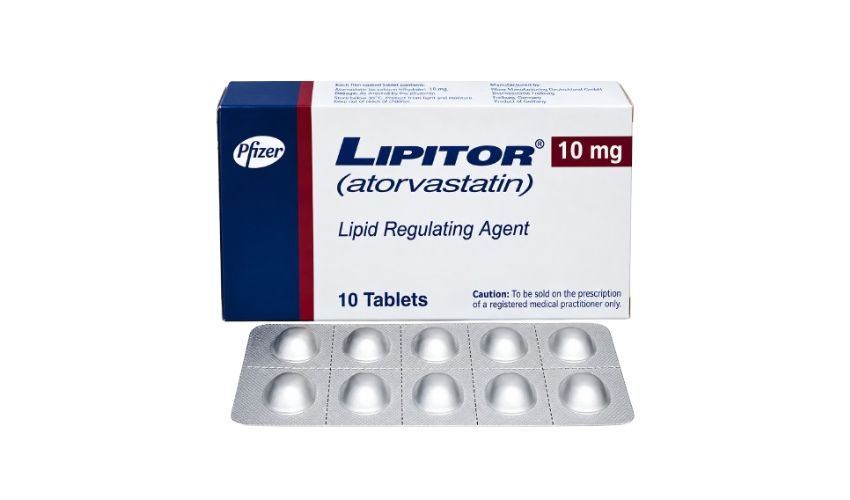
What Is Lipitor?
Lipitor is Pfizer’s brand of atorvastatin, one of the most prescribed cholesterol-lowering medicines worldwide and a well-established option in Pakistan. It belongs to the statin class of drugs, which block an enzyme in the liver called HMG-CoA reductase, the enzyme your liver uses to make cholesterol. When your body produces less cholesterol, your liver removes more LDL cholesterol from your bloodstream, which lowers your LDL levels over time.
Atorvastatin doesn’t just lower cholesterol on paper; large clinical studies have linked statins like this one to a genuine reduction in heart attacks and strokes in people with elevated cardiovascular risk, which is the real reason doctors prescribe them rather than just chasing a number on a lab report.
Understanding Your Cholesterol Numbers
Since Lipitor is prescribed based on your actual cholesterol results, it helps to understand what those numbers mean. Here’s the general reference range used for adults (your doctor’s target may differ based on your individual risk factors):
| Measurement | Desirable | Borderline / Watch | High Risk |
| Total Cholesterol | Below 200 mg/dL | 200–239 mg/dL | 240 mg/dL and above |
| LDL (“bad” cholesterol) | Below 100 mg/dL | 100–159 mg/dL | 160 mg/dL and above |
| HDL (“good” cholesterol) | 60 mg/dL and above | 40–59 mg/dL | Below 40 mg/dL |
| Triglycerides | Below 150 mg/dL | 150–199 mg/dL | 200 mg/dL and above |
If you have diabetes, heart disease, or multiple risk factors, your doctor may set a stricter LDL target, sometimes well below 100 mg/dL, because your overall risk differs from that of someone without other risk factors. This is exactly why the dose and the “goal number” should come from your doctor’s assessment, not a generic chart.
Lipitor Uses
It is prescribed for:
- High LDL cholesterol not adequately controlled by diet and lifestyle changes alone
- Primary prevention of heart attack and stroke in people with elevated cardiovascular risk, even before any cardiac event has occurred
- Secondary prevention, reducing the risk of a repeat heart attack or stroke in people who’ve already had one
- High triglycerides, alongside dietary changes
- Managing cholesterol in people with type 2 diabetes, who carry a higher baseline cardiovascular risk
- Sometimes prescribed alongside other heart medicines, such as a beta-blocker like Concor for blood pressure or a calcium channel blocker like Norvasc, as part of an overall cardiovascular risk-reduction plan
Lipitor Dosage
| Situation | Typical Starting Dose | Adjustment |
| Mild to moderate cholesterol elevation | 10mg once daily | Reviewed after 4–12 weeks via blood test |
| Higher cholesterol or higher cardiovascular risk | 20mg or 40mg once daily | Adjusted based on lipid panel results |
| Maximum dose | Up to 80mg once daily | Reserved for specific high-risk cases, under close supervision |
Practical guidance
- Can be taken at any time of day, with or without food; consistency matters more than the exact hour.
- Swallow the tablet whole.
- This is a long-term medicine in almost all cases; cholesterol management works over months and years, not days, and stopping once your numbers improve usually means the numbers will drift back up, since the medicine is what’s keeping them controlled.
- Your doctor will typically repeat your lipid profile periodically to confirm the dose is doing its job and adjust if needed.
Lipitor Side Effects
Common:
- Mild muscle aches or joint pain
- Headache
- Nausea or mild stomach upset
- Diarrhoea or constipation
Less common:
- Sleep disturbance
- Mildly elevated liver enzymes, usually picked up on routine blood tests without any symptoms
Worth understanding properly: muscle symptoms
Muscle aches get a lot of attention with statins, and while they are a real, recognised side effect for some people, studies comparing statins against placebo have found that the actual rate directly caused by the drug is lower than the public perception suggests; many reported aches turn out to be unrelated. That said, genuine warning signs are worth knowing: muscle pain that’s severe or progressively worsening, muscle weakness affecting daily activities, or dark/cola-coloured urine. Any of these need prompt medical review rather than quietly stopping the tablet on your own; your doctor has several ways to manage it, from a dose adjustment to a different statin.

Rare but serious: seek medical attention if you notice
- Yellowing of the skin or eyes, persistent nausea, or dark urine (possible liver involvement)
- Severe muscle pain with dark urine (a rare condition called rhabdomyolysis)
- Signs of an allergic reaction: swelling, rash, difficulty breathing
Who Should Avoid Lipitor
- Pregnant women: statins are generally avoided in pregnancy; stop and consult your doctor immediately if pregnancy is confirmed or being planned
- Breastfeeding mothers: generally avoid; ask your doctor about alternatives
- People with active liver disease
- Anyone with a known allergy to atorvastatin
- People with a history of severe statin-related muscle problems: your doctor will weigh the options carefully
Interactions worth knowing
Large regular amounts of grapefruit juice can raise atorvastatin levels in the blood; certain antibiotics and antifungal medicines can interact with it too. Always tell any new prescriber that you’re on a statin.
What Lipitor Costs in Pakistan
| Pack | Approximate Price (PKR) |
| Lipitor 10mg — strip of 10 tablets | Rs. 400 – 660 |
| Lipitor 20mg — strip of 10 tablets | Rs. 520 – 630 |
| Lipitor 40mg — strip of 10 tablets | Rs. 710 – 750 |
Prices vary by pharmacy, city, and ongoing manufacturer revisions. Please confirm the current price at your local pharmacy before buying.
Lipitor and Your Other Heart Medicines
Cholesterol rarely travels alone; many patients managing cardiovascular risk end up on more than one medicine at once. If you’re also managing blood pressure, doctors commonly prescribe Norvasc (amlodipine) or Concor (bisoprolol) alongside a statin such as Lipitor as part of an overall risk-reduction plan. Doctors often use this combination when treating several risk factors together, so it does not necessarily indicate a cause for concern.
FAQs
No, a normal reading while on the medicine usually means it’s working, not that the underlying risk is gone.
Most people tolerate it without significant muscle symptoms.
There’s no single universal number; your doctor looks at your LDL, total cholesterol, and your overall cardiovascular risk
Yes, combining a statin with blood pressure medicines like Norvasc or Concor is common and often part of a coordinated cardiovascular risk plan.
Measurable changes often appear within a few weeks, with your doctor typically rechecking your lipid profile around 4 to 12 weeks after starting or adjusting the dose.


