


What Rivotril Is Actually Used For
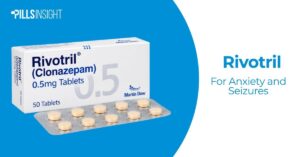
Rivotril contains clonazepam, a benzodiazepine, available in Pakistan primarily as 0.5mg and 2mg tablets. It works by enhancing the effect of a natural calming chemical in the brain called GABA, which reduces abnormal electrical activity (relevant for seizures) and produces an overall calming, anti-anxiety effect.
It’s prescribed for:
- Certain seizure disorders, including absence seizures and some other specific epilepsy syndromes, often as part of a broader treatment plan
- Panic disorder, with or without agoraphobia
- Severe anxiety, typically for short-term use or as a bridge while longer-term treatments (such as an SSRI antidepressant) take effect, since those take weeks to start working
- Occasionally, specific movement disorders or as part of specialist-directed treatment for certain other neurological conditions
It is generally not intended as a first-line, long-term treatment for everyday anxiety or insomnia for ongoing anxiety management, doctors typically prefer antidepressant-class medicines such as escitalopram (Citanew) for sustained, lower-risk long-term control, often using a benzodiazepine like Rivotril only briefly during the early weeks.
How It’s Typically Dosed
| Use | General Reference Only |
| Seizure disorders (adults) | Often started low and increased gradually under close supervision |
| Panic disorder | Often started at a low dose, adjusted based on response |
This table deliberately avoids specific numbers unlike most medicines on this site, clonazepam dosing varies enormously by individual, condition, and risk profile, and publishing a generic schedule for a controlled, dependency-risk medicine isn’t appropriate. Your prescribed dose, timing, and duration come entirely from your doctor, based on your specific diagnosis, and should never be adjusted, increased, or extended based on anything read online.
What’s important to understand about how it’s meant to be used:
- It’s generally prescribed for the shortest effective duration, especially for anxiety-related use.
- Doses are typically reviewed regularly rather than continued indefinitely without reassessment.
- It should never be combined with alcohol or other sedating medicines without explicit medical guidance this combination significantly increases the risk of dangerous sedation and breathing problems.
- It should never be shared with anyone else, even someone with similar symptoms dosing and suitability are individual.
Dependency Risk: What You Genuinely Need to Know
Dependency risk box Clonazepam and other benzodiazepines can cause physical dependency, sometimes within just a few weeks of regular use. This means your body can adapt to its presence, and stopping suddenly can cause a withdrawal reaction which, unlike withdrawal from many other medicines, can include a genuine risk of seizures, alongside severe anxiety, insomnia, tremor, and rebound symptoms worse than what you started with. This risk exists even in people taking it exactly as prescribed, which is why any change must be managed by your doctor through a gradual, individualized taper never stopped abruptly on your own.
Signs that may indicate developing tolerance or dependency:
- Needing more of the medicine to get the same effect as before
- Feeling unable to cope, or experiencing strong anxiety, at the thought of missing a dose
- Taking it more often or in larger amounts than prescribed
- Using it for reasons beyond what it was originally prescribed for (such as general stress or to help with sleep when that wasn’t the original purpose)
- Difficulty imagining stopping, or having tried and found it harder than expected
None of this means you’ve done anything wrong; benzodiazepine dependency is a recognised, biological response to the medicine, not a character failing. What matters is recognising it and talking to your doctor rather than managing it alone.
When to Seek Help
Talk to your doctor promptly if:
- You notice any of the tolerance/dependency signs above
- You’re taking more than prescribed, or more often than prescribed
- You want to stop and aren’t sure how to do it safely
- You’ve missed doses and are experiencing anxiety, tremor, or unusual symptoms as a result
Seek urgent/emergency medical care if:
- You or someone else experiences a seizure after missing doses or stopping clonazepam
- Severe confusion, extreme drowsiness, or difficulty breathing occurs, especially if combined with alcohol or other sedatives
- There are signs of overdose: severe drowsiness, confusion, loss of coordination, slowed or difficult breathing
If you’re struggling with dependency, the right next step is an honest conversation with your prescribing doctor, not stopping abruptly or trying to manage it entirely alone safe tapering under medical supervision is a well-established, manageable process.
Other Side Effects to Know About
Common:
- Drowsiness and sedation, especially early in treatment
- Dizziness or unsteadiness
- Fatigue
- Memory or concentration difficulties
- Low mood in some people with extended use
Less common:
- Muscle weakness
- Slurred speech
- Changes in coordination (a meaningful fall risk in elderly patients)
Serious: seek medical attention if you notice:
- Signs of a severe allergic reaction
- Unusual behaviour changes, confusion, or worsening mood, including any thoughts of self-harm; report this to a doctor immediately
- Signs of overdose, especially if combined with alcohol or other sedating substances
Who Should Be Especially Cautious
- Pregnant or breastfeeding women: Benzodiazepines are generally avoided unless specifically judged necessary by a specialist
- People with a personal or family history of substance use disorder: Extra caution and closer monitoring are warranted
- Elderly patients: Higher risk of falls, confusion, and prolonged sedation
- People with respiratory conditions: Such as significant sleep apnea or COPD sedating medicines can worsen breathing
- Anyone taking opioids, other sedatives, or regularly consuming alcohol: Combining with clonazepam significantly raises the risk of dangerous sedation
What Rivotril Costs in Pakistan
| Pack | Approximate Price (PKR) |
| Rivotril 0.5mg — strip of 10 tablets | Rs. 55 – 170 |
| Rivotril 2mg — strip of 10 tablets | Rs. 170 – 220 |
Prices vary noticeably by pharmacy, city, and listing date, and are revised periodically. Please confirm the current price at your local pharmacy before buying.
If Anxiety Is the Underlying Issue
Since Rivotril is often used only as a short-term bridge while a longer-term treatment takes effect, it’s worth understanding what that longer-term option usually looks like. Our upcoming guide on Cipralex (escitalopram) tablet uses, side effects and price explains how antidepressant-class medicines are typically used for sustained anxiety and mood management, which is often the treatment plan a benzodiazepine like Rivotril is meant to support in its first few weeks rather than replace long-term.
FAQs
It’s generally not intended as a long-term, standalone anxiety treatment because of the dependency risk.
It carries a genuine risk of physical dependency, which can develop even with regular prescribed use over just a few weeks.
This can trigger a withdrawal reaction that, unlike many medicines, carries a real risk of seizures, along with severe anxiety and other symptoms.
No. Combining alcohol with clonazepam significantly increases the risk of dangerous sedation and breathing problems, and this combination should be avoided entirely.
Both are benzodiazepines, but they’re different specific medicines (clonazepam vs. alprazolam) with different durations of action and typical uses.


